Advocacy
The speech that started HeForShe
One speech at the United Nations in September 2014, and what she asked of the men listening.
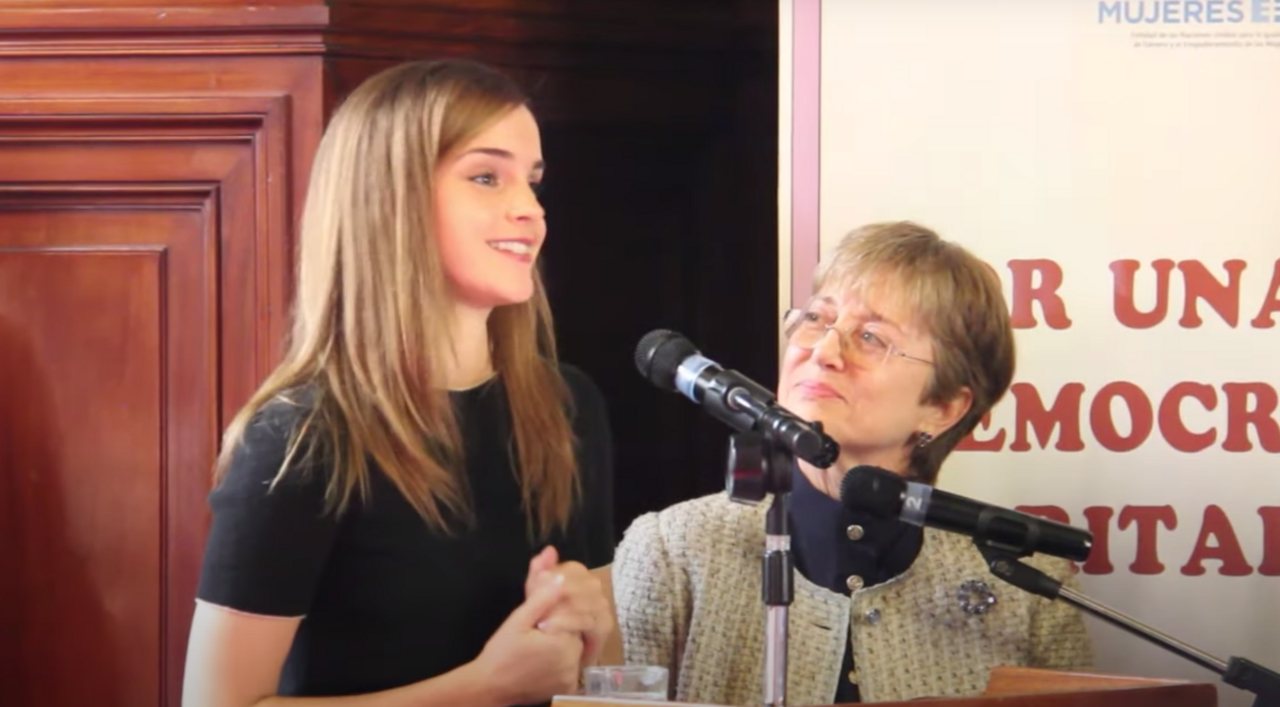

In July 2014, UN Women named Emma Watson a Goodwill Ambassador. She was 24, newly graduated from Brown University, and best known as Hermione Granger. Two months later she stood at a lectern in the United Nations Headquarters in New York and gave the speech that most people now think of first when her name comes up.
The date was 20 September 2014, and the occasion was the launch of HeForShe, a UN Women campaign that asks men and boys to take an active part in ending gender inequality. Her argument was simple. Equality had been treated as a women's cause, argued by women, to women. She wanted to extend what she called a formal invitation to everyone else.
If not me, who? If not now, when?
What she said
She began with her own history. At eight she was called bossy for wanting to direct the plays her class put on for parents. By her teens she had watched friends drop out of sport because they did not want to look muscular. "I decided I was a feminist," she said, "and this seemed uncomplicated to me."
Much of the speech was about the word itself. She had found that feminism had become an unpopular label, too often read as hostility towards men. She argued for its plain meaning: the belief that men and women should have equal rights and opportunities.
Then she turned to men. She spoke about boys and young men who feel unable to ask for help or show vulnerability, and said that gender stereotypes confine them too. If men were freed from those expectations, she argued, things would change for women as a natural consequence.
Before and after
The New York speech was not her first act in the role. Earlier that month she had travelled to Uruguay, where she spoke at the Parliament in Montevideo in support of women's political participation.
In January 2015 she appeared at the World Economic Forum in Davos to launch HeForShe's IMPACT 10x10x10 initiative, which set out to work with governments, companies and universities on concrete commitments. In September 2016 she returned to the UN to speak about safety and equality on university campuses.
The speech has been watched millions of times. Its closing question still does most of the work: it asks the listener what they intend to do, and when.
Back to all articles